NEW EVE
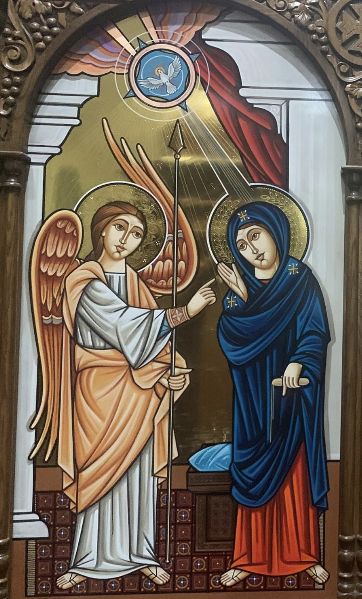
Establish thy word to thy servant, in thy fear.
Psalm 119, 38
I delight to do Your will, O my God;
Your Law is within my heart.
Psalm 40, 8
And Mary said:
Behold the handmaid of the Lord;
be it done to me according to thy word.
And the angel departed from her.
Luke 1, 38
Psalm 119:38, which states, “Establish thy word to thy servant, in thy fear,” is a plea for God to affirm and solidify His promises in the life of the speaker. This verse reflects a deep desire for divine guidance and assurance. The speaker acknowledges their status as a servant of God, emphasizing a relationship based on trust and reverence. The request for God to establish His word suggests a longing for clarity and strength in adhering to divine commandments, which are seen as vital for living righteously. In the context of Psalm 119, which extols the beauty and importance of God’s law, this verse fits within a broader meditation on obedience, faithfulness, and a deep-rooted connection to God’s teachings. The “fear” mentioned here signifies a profound respect for God, suggesting that such reverence is critical to understanding and following His word.
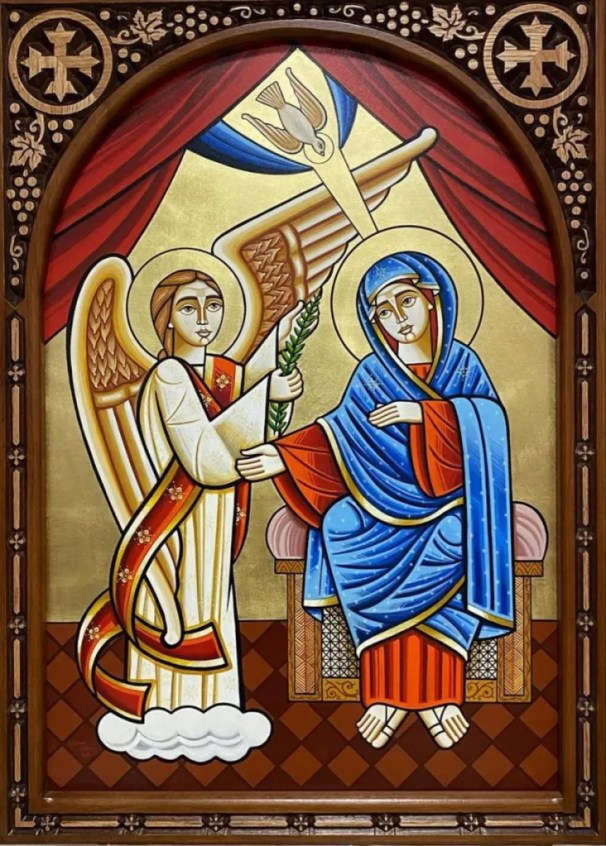
Now, connecting this to Luke 1:38, where Mary responds to the angel Gabriel’s announcement of her bearing Jesus with the words, “Let it be to me according to your word,” we see a parallel in the themes of submission and obedience to God’s plans. Mary’s acceptance embodies the essence of servitude emphasized in the Psalm. Just as the psalmist seeks the establishment of God’s word in their life, Mary exemplifies a living testament of that establishment through her willingness to embrace her role in God’s divine plan.
Both texts highlight the importance of faith, humility, and the readiness to accept God’s will. While the psalmist seeks confirmation and strength in God’s commands, Mary illustrates the response of an obedient servant who trusts God’s word without reservation. Thus, both emphasize the transformative power of God’s word in the lives of believers, inviting them into a closer relationship with Him.
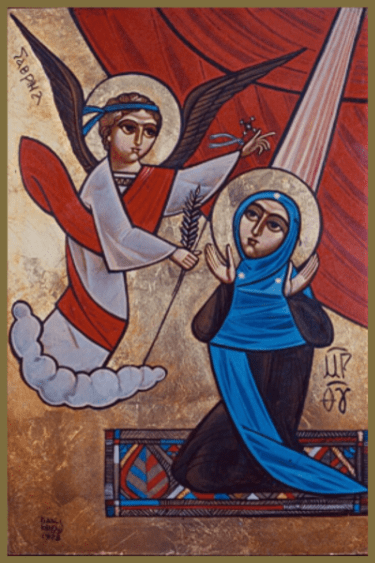
In Catholic theology, the Divine plan of salvation centers on the birth of Jesus Christ, who is regarded as the Son of God and the redeemer of the world from sin and death. A pivotal figure in this plan is the Virgin Mary, chosen to be the mother of Jesus. It is important to recognize that Mary’s free will was respected, allowing her to decide whether to accept this profound role. According to Catholic belief, God desired that Mary respond affirmatively to the angel Gabriel’s announcement that she would conceive and bear a son, the Son of God. This response was not predetermined; Mary could have refused or hesitated. Her decision to consent freely and willingly was significant, as it exemplified her love and obedience to God and aligned with His divine will. Mary’s choice to accept her role was essential for the incarnation of God as the Divine Word, enabling the fulfillment of His mission to save humanity.
Catholic theology distinguishes between God’s desires and His decrees, an important concept for understanding divine will. God’s antecedent will represents what He desires, while His consequent will refers to what He decrees. The Bible provides insight into God’s desires, highlighting that He wishes for everyone to be saved. This is supported by passages such as Ezekiel 18:23, 1 Timothy 2:4, and 1 John 2:2. However, there are also firm decrees from God indicating that those who die in unrepentant sin will face eternal separation from Him, as exemplified by Matthew 25:41 and Luke 13:3.
An illustrative example of this distinction can be seen in the story of Mary, the mother of Jesus. God desired that Mary accept His will when He chose to become man, but this desire was not a decree; it was an invitation that gave her the freedom to accept or reject. If Mary had chosen not to respond positively, what God desired (His antecedent will) would not have come to fruition. Nevertheless, God’s decree (His consequent will) assured Mary the freedom to choose motherhood for His only begotten son, a plan that would have been realized regardless of her decision.
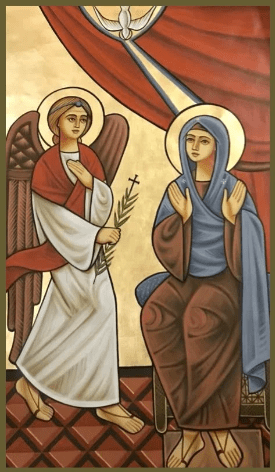
The Annunciation narrative underscores a significant aspect of the relationship between God and humanity, particularly highlighting the concept of free will. This idea emphasizes that individuals can choose whether to accept or reject God’s will. If all humans were predetermined to unconditionally say “Yes” to God, it would imply that no soul could be lost. However, this would also negate our freedom to authentically love God and prioritize His will above all else. When individuals choose to reject God, they face the natural consequences of alienation and separation from Him. This separation is not portrayed as a punishment imposed by God but rather as a direct result of our own choices, as indicated in passages like Deuteronomy 30:19.
It is crucial to recognize that God has endowed humanity with free will, allowing us the genuine capacity to say “Yes” or “No” to His will. God desires a relationship built on true love and a yearning for companionship. This sentiment is echoed in John 14:23, which emphasizes that our love for God forms the foundation of our relationship with Him. Consequently, we are responsible for choosing love and obedience, which ultimately guides us back into harmony with Him.
The Annunciation narrative touches on the concept of free will within our Judeo-Christian beliefs. It posits that God desires individuals to follow His will voluntarily, rather than under compulsion. The rationale behind this is that forced obedience would lead to insincerity in one’s love and devotion to God. Therefore, people are granted the freedom to choose to accept or reject God’s will. A key illustration of this principle is the biblical account of the angel Gabriel’s visitation to Mary, the mother of Jesus. God did not compel Mary to consent to her role in His plan; instead, He gave her the opportunity to choose, highlighting the importance of free will in her decision-making. Mary’s affirmative response, her “Yes,” was pivotal as it led to the birth of Jesus Christ, who is central to the salvation narrative in Christianity. This discussion underscores the significance of free will in the relationship between humanity and God, using Mary’s choice as a powerful example of how it can shape the course of history.
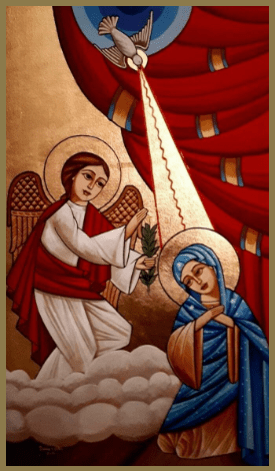
The doctrine of Scientia media posits that when God created Mary’s soul, He foresaw her free decision to participate in His plan for the Incarnation. This concept suggests that God understood with certainty how Mary would respond without needing to foresee the future in a humanly natural sense. An analogy for this is knowing the entire storyline of a book just by looking at its cover. While Mary possessed the free will to refuse, God’s knowledge of her eventual acceptance was infallible; He fully understood that she would say yes to Him. This does not imply that Mary lacked free agency; rather, her choice was aligned with divine preordination. Consequently, God’s Incarnation did not depend on Mary’s consent; rather, He intended for her to participate willingly and freely. Mary’s agreement, often called her “fiat” (meaning “let it be done”), is significant in Christian theology. It serves as a model of faith and obedience for all believers.
In His infinite wisdom and foreknowledge, as opposed to predetermination, God knew Mary would say yes to His proposal. However, it is important to note that God did not force or coerce her into doing so, in case she said no. As an all-knowing and all-powerful being, God is not constrained by anything outside Himself. He knows everything that exists or will exist and thus was certain that Mary would willingly consent to His plan. Although God is not constrained, He obligates Himself to act righteously according to His moral attributes. God decreed that the angel Gabriel would visit Mary and seek her free consent to achieve His desired outcome of saving all people. This was not because God needed Mary’s permission since He knew she would give her consent. Mary’s free and willing consent was of utmost importance to God because He wanted to include her in His plan and allow her to participate freely in His divine work (1 Cor 3:9). Her faith and obedience were exemplary, and she willingly accepted the role God had given her. Elizabeth, Mary’s kinswoman, praised her for her faith, acknowledging her merit as Our Blessed Lady (Lk 1:45).
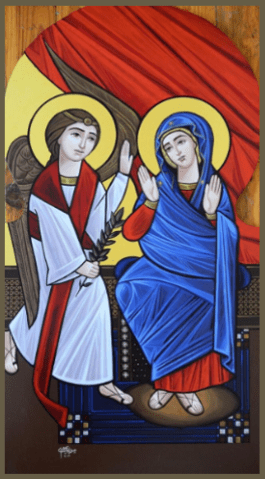
Thus, the Annunciation narrative illustrates the relationship between God and humanity and the concept of salvation in Christian theology. The Gospel of Luke emphasizes that God did not compel Mary to accept the role of Jesus’s mother. The text suggests that if God had anticipated that Mary would decline, He would not have coerced her decision. This perspective highlights that it would not be fitting for God to impose His will on individuals created in His image.
Furthermore, salvation is portrayed as conditional rather than automatic. This implies that humanity must reciprocate God’s love through obedience, mirroring Jesus’ actions. The writer asserts that individual salvation depends on adherence to God’s laws, which are believed to be inscribed in the hearts of believers. Luke counters the notion that God orchestrated Adam’s sin with the intent of having Jesus redeem the Elect from eternal damnation. Instead, he advocates the understanding that salvation is conditional: individuals must consciously choose to love and obey an impartial God to attain it and secure their eternal residence with Him.
The relationship between humanity and God is fundamentally covenantal, rooted in the creation narrative involving Adam. Adam’s free will choice to sin introduced the concept of original sin, which created the necessity for a redeemer and savior. This relationship underscores the importance of human cooperation with God’s saving grace and the gifts of the Holy Spirit as essential for glorifying God. A notable illustration of this is found in Mary’s Magnificat, a hymn of praise that emphasizes this theme. In this passage, Mary expresses that her soul glorifies the Lord and rejoices in God, her savior (Lk 1:46-49). Her willingness to accept God’s plan is crucial, as it highlights the role of human consent in the divine narrative of salvation. Without her agreement, the opportunity for rejoicing in this salvation would not have been possible.
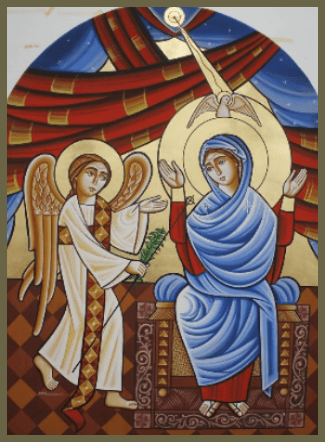
The Annunciation marks a significant moment in Christian theology when Mary consented to become the mother of Jesus Christ, our Lord and Savior. This event plays a crucial role in the faith journey of believers, as it allowed for the incarnation of Jesus, who came to save humanity from sin and provide a model for salvation. This process aligns with the teachings found in 1 John 1:7 and 3:3, which emphasize the importance of living in accordance with God’s will. Furthermore, free will is a vital component of our spiritual lives, enabling individuals to develop the supernatural virtues necessary for sanctification and justification in the sight of God, ultimately fostering a deep connection with Him. Without free will, the ability to pursue these virtues and maintain a relationship with God would be compromised.
The necessity of the Son of Man suffering for humanity’s transgressions and dying as an expiation for sins is a central theme in Christian theology. According to Jesus, this was not merely an option; he stated, “Was it not necessary for the Messiah to endure these things and to enter into his glory?” (Lk 24:26). Furthermore, it was essential for Jesus to be “made of a woman” who had the capacity to accept or reject God’s will, paralleling the choice faced by Eve, to fulfill all righteousness (Gal 4:4). While God’s overarching plan did not depend on Mary’s response to the angel, the Incarnation itself did.
In a similar vein, God did not depend on Eve’s decision to disobey, which ultimately led to the fall of Eden. Adam and Eve’s choice to disobey God was an act of free will rather than predetermined; if they were designed to sin, they would be considered morally blameless. The actions of Jesus, referred to as the New Adam, and Mary, known as the New Eve, exemplified their obedience and deep love for the Father. Their willingness to fulfill God’s will was instrumental in counteracting Adam and Eve’s disobedience, thus restoring the relationship between humanity and God.
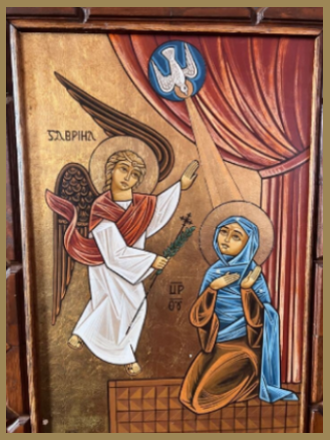
The biblical text emphasizes God’s love and mercy toward humanity, highlighting His decision to reconcile the world to Himself through the sacrifice of His Son. It is noteworthy that God chose to become human to atone for sin, motivated by His profound love for humankind. For this divine plan to unfold, it was essential for a woman to accept this role with humility and love. That woman was Mary of Nazareth, the Virgin Mother of Jesus. Mary’s consent was crucial, as God desired her moral participation in the incarnation over against Eve’s moral participation.
In this context, her acceptance was deemed sufficient to fulfill His plan. Equally significant was the sacrifice Jesus made; in His humanity, He affirmed His commitment to the Father’s will through His willingness to suffer and die for the sins of humanity. This act of self-sacrifice demonstrated His love and obedience. Mary’s role in saving humanity is substantial. By saying “Yes” to God’s plan, she became the mother of the Son of God, allowing God’s purpose for redemption to be realized. Through Mary, the world was reconciled to God, marking a pivotal moment in salvation history.
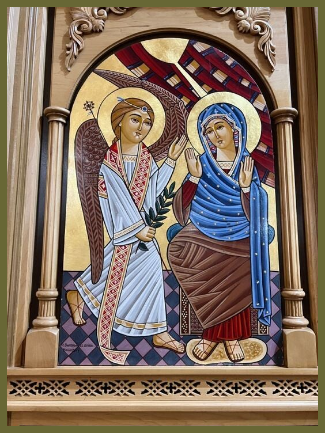
γένοιτό μοι κατὰ τὸ ῥῆμά σου
Mary received a visit from the angel Gabriel, who delivered a significant message from God before quickly departing. This encounter prompted Mary to align her will with God’s, thus embracing the angel’s message. The original Greek phrase that captures her response is “genoito moi kata to rhēma,” which, in Aramaic, translates to “Be it to me what you have said.” Mary expressed her willingness to accept the role laid out for her within God’s overarching plan. She said, “May it be for me by God’s will,” reflecting her faith and commitment. This response is a powerful illustration of faith in action, demonstrating how Mary trusted in God’s intentions for her life despite any personal expectations she may have held. Her acceptance of God’s will exemplifies her deep faith and encourages others to align their lives with divine purpose and trust in God’s plan.
The term “genoito,” translated as “be it,” is significant in understanding the Blessed Lady’s response to God. It indicates that Mary did not merely accept God’s command passively, as a subordinate would out of fear. Instead, she embraced her free will with great joy and appreciation. This Greek word is derived from the verb “ginomai,” meaning “to come into being,” highlighting that our Blessed Lady actively fulfilled God’s word and joyfully facilitated the Incarnation of the Divine Logos. Mary’s profound joy in God was such that she found no true joy in the world apart from Him, which explains why she received the Divine Logos with both joy and love. Her willingness to surrender to God made her the perfect vessel for this Incarnation, underscoring that the Divine Logos would not have entered the world without her joyful and loving acceptance. By becoming the mother of our Redeemer, the New Adam, Mary, the New Eve, became the spiritual mother of all the living.
Hence, the text from Psalm 40:8, “I delight to do Your will, O my God; Your Law is within my heart,” reflects a deep sense of commitment and joy in following God’s will. This verse emphasizes the internalization of divine law, suggesting that true obedience comes from a heartfelt relationship with God rather than mere external compliance. It highlights the importance of aligning one’s desires with God’s commands, suggesting that the psalmist finds joy and fulfillment in living in accordance with God’s purpose.
In connection with Luke 1:38, where Mary responds to the angel Gabriel’s announcement of Jesus’ birth with, “I am the Lord’s servant… May your word to me be fulfilled,” we can see parallels in the themes of obedience and submission to God’s will. Just as the psalmist expresses delight in fulfilling God’s law, Mary exemplifies a willing heart ready to embrace God’s plans, despite the uncertainties and challenges that may come her way.
Both texts highlight the importance of maintaining a responsive relationship with God that acknowledges His authority while also deriving joy and purpose from serving Him. They emphasize that genuine service and obedience arise from a heart desiring to align with God’s intentions, ultimately leading to a deeper sense of spiritual fulfillment.
Shall not Zion say:
This man and that man is born in her,
and the Highest himself hath founded her?
Psalm 87, 5
EARLY SACRED TRADITION
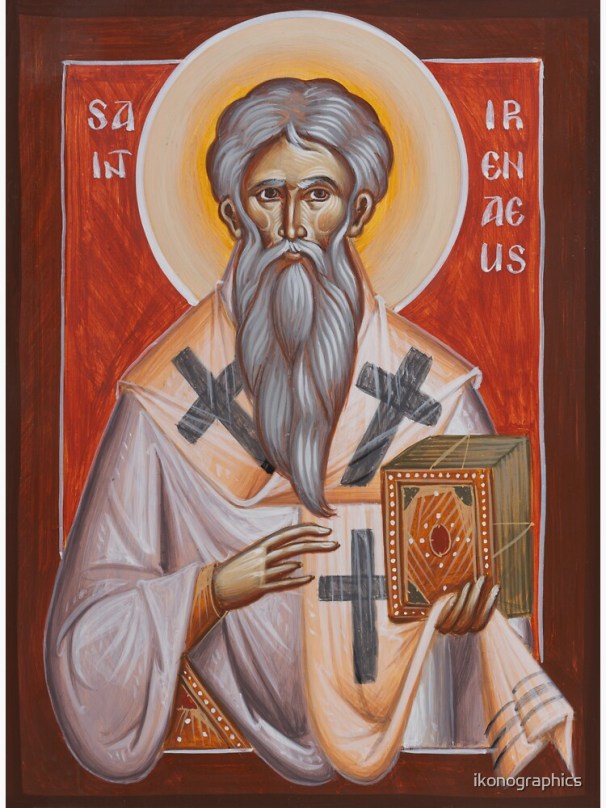
St. Irenaeus (A.D. 188)
Against Heresies, V:19,1
“For as Eve was seduced by the word of an angel to flee from God, having rebelled against His
Word, so Mary by the word of an angel received the glad tidings that she would bear God by
obeying his Word. The former was seduced to disobey God, but the latter was persuaded to
obey God, so that the Virgin Mary might become the advocate of the virgin Eve. As the human
race was subjected to death through [the act of] virgin, so it was saved by a virgin.”
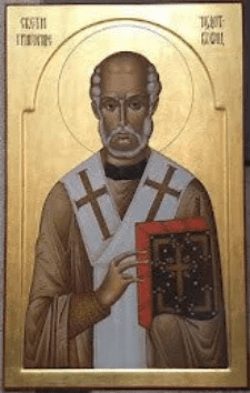
St. Gregory Thaumaturgus (262 A.D.)
On the Holy Mother of God
“Holy and wise in all things was the all-blessed Virgin, peerless among all nations,
and unrivalled among women. Not as the first virgin Eva, who alone in the garden, was
in her weak mind led astray by the serpent; and so took his advice and brought death into the
world; and because of that hath been all the suffering of saints. But in her alone, in this Holy
Virgin Mary, the Stem of Life hath shot up for us. For she alone was spotless in soul and body.”
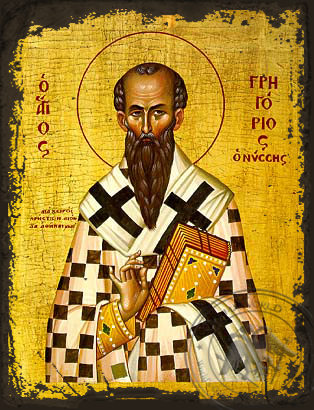
St. Gregory of Nyssa (A.D. 371)
On Virginity, 2
“It was, to divulge by the manner of His Incarnation this great secret; that purity is the only
complete indication of the presence of God and of His coming, and that no one can, in reality,
secure this for himself, unless he has altogether estranged himself from the passions of the
flesh. What happened in the stainless Mary when the fullness of the Godhead which was in
Christ shone out through her, that happens in every soul that leads by rule the virgin life.”
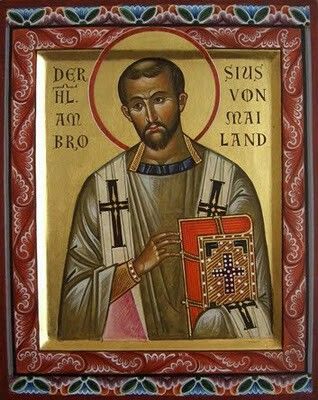
St. Ambrose (A.D. 377)
On Virginity, 2:15
“The first thing which kindles ardour in learning is the greatness of the teacher. What is
greater than the Mother of God? What more glorious than she whom Glory Itself chose? What
more chaste than she who bore a body without contact with another body? For why should I
speak of her other virtues? She was a virgin not only in body but also in mind, who stained the
sincerity of its disposition by no guile, who was humble in heart, grave in speech, prudent in
mind, sparing of words, studious in reading, resting her hope not on uncertain riches, but on
the prayer of the poor, intent on work, modest in discourse; wont to seek not man but God as
the judge of her thoughts, to injure no one, to have goodwill towards all, to rise up before her
elders, not to envy her equals, to avoid boastfulness, to follow reason, to love virtue.”
St. Jerome (A.D. 384)
To Eustochium, Epistle 22:19,38
‘There shall come forth a rod out of the stem of Jesse, and a flower shall grow out of his roots.’
The rod is the mother of the Lord–simple, pure, unsullied; drawing no germ of life from
without but fruitful in singleness like God Himself…Set before you the blessed Mary, whose
surpassing purity made her meet to be the mother of the Lord.”
St. Augustine (A.D. 415)
Nature and Grace, 36:42
“We must except the holy Virgin Mary, concerning whom I wish to raise no question when it
touches the subject of sins, out of honour to the Lord; for from Him we know what abundance
of grace for overcoming sin in every particular was conferred upon her who had the merit to
conceive and bear Him who undoubtedly had no sin.”

SALVE REGINA
 Salve Regina